

Overview
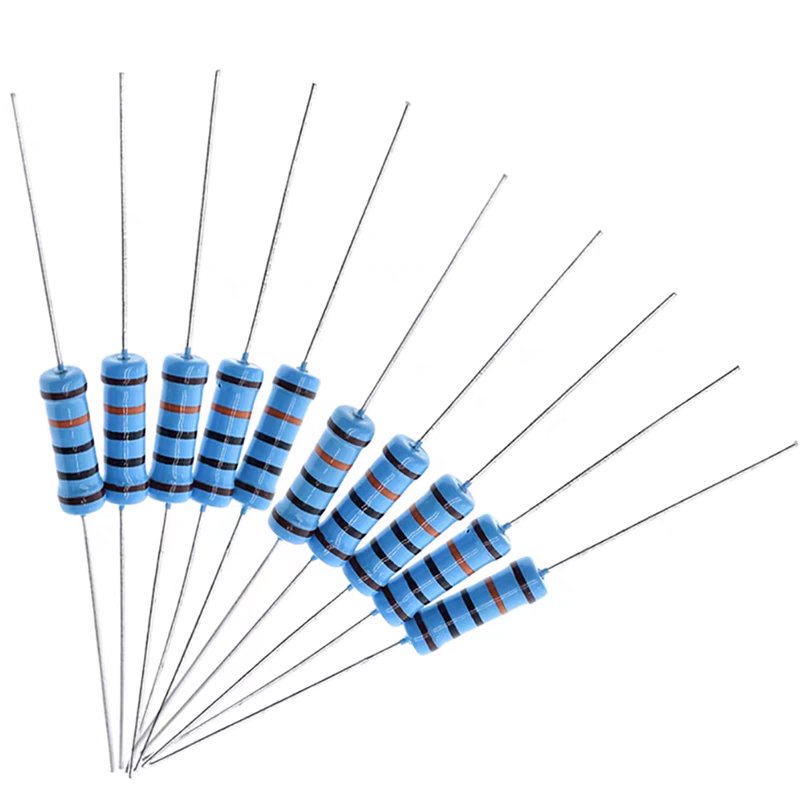
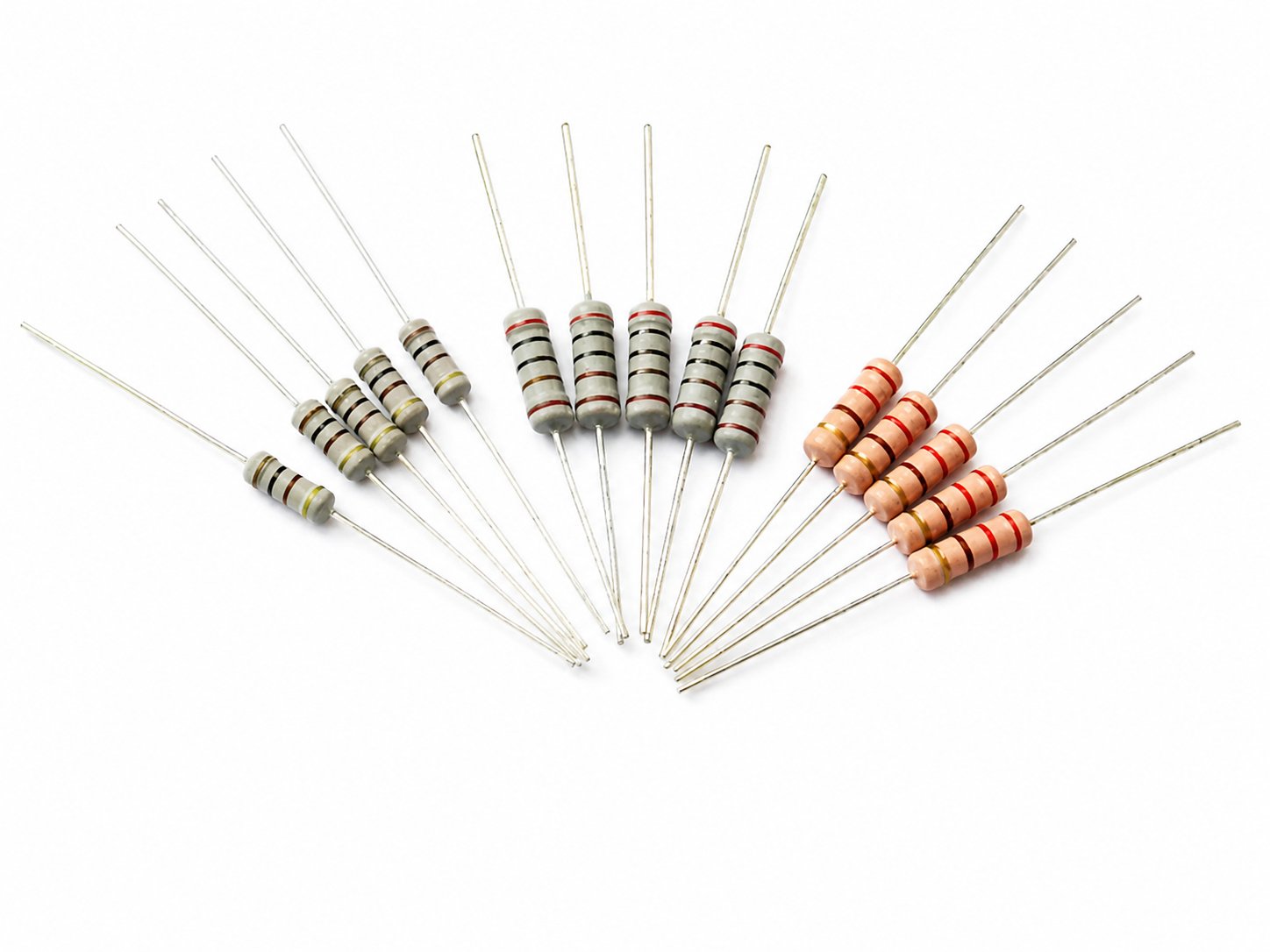
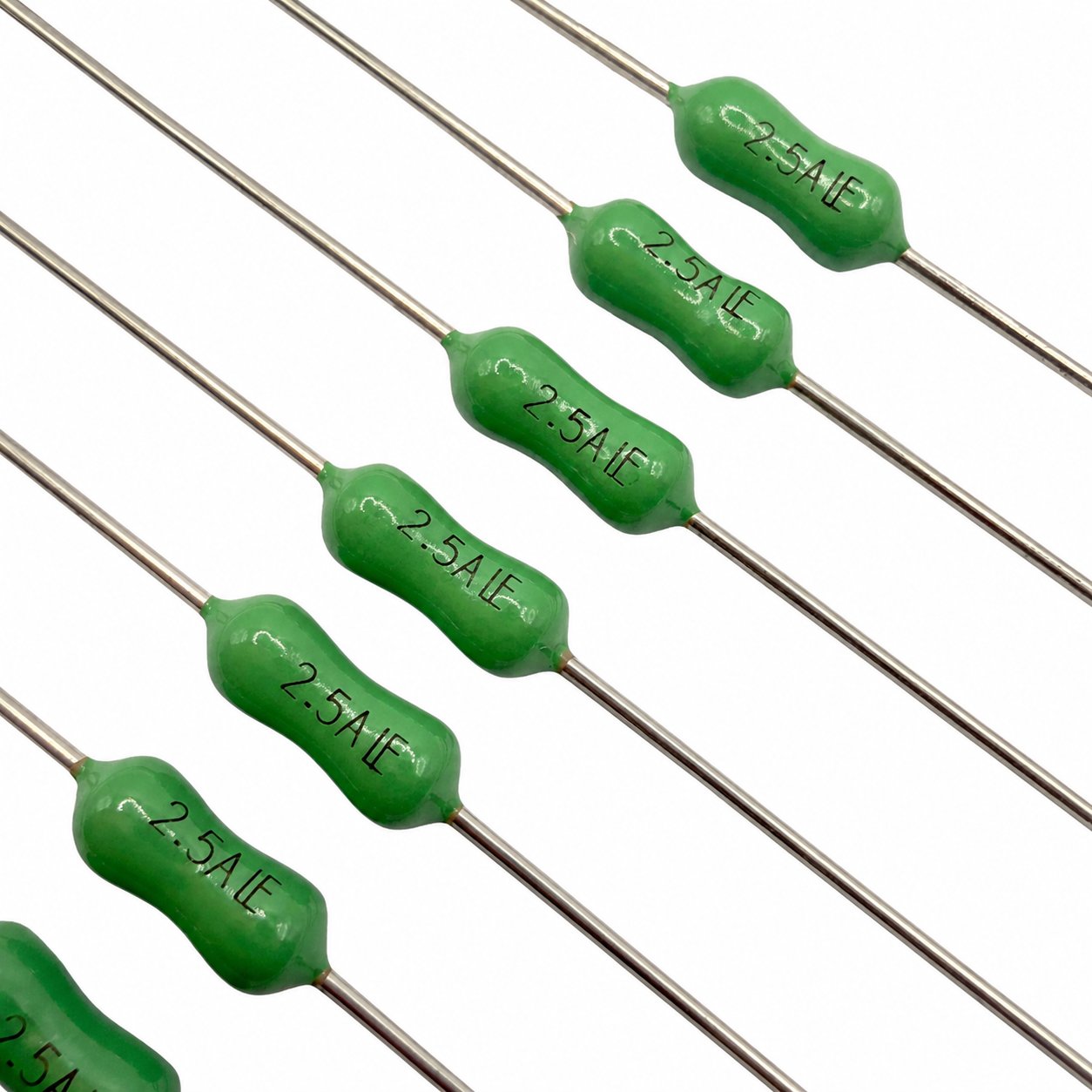
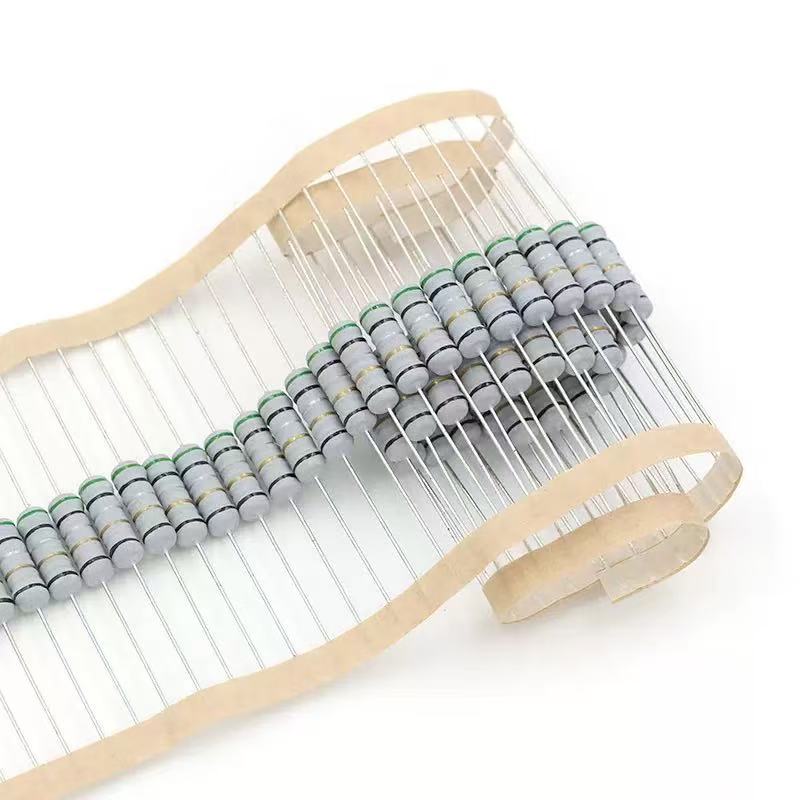
A fuse resistor (fusible resistor) is a safety-rated component that combines the functions of a resistor and an over-current fuse. Under normal operation, it provides a stable resistance value for current limiting, voltage division or in-rush protection. When the circuit experiences abnormal conditions — overcurrent, short circuit or surge — the resistor body opens like a fuse at preset conditions, providing fail-safe protection that prevents damage to downstream circuits and reduces safety hazards. The product is built with flame-retardant coatings and high-reliability materials for excellent thermal stability and safety performance. Widely used in safety-critical electronic circuits including switching power supplies (SMPS), adapters and chargers; home appliances (TVs, power strips, air conditioners, washing machines, etc.); industrial control equipment and power modules; LED drivers and power management; new-energy equipment (charging stations, battery management systems / BMS); instrumentation and telecom equipment.
Key Features
- Combines accurate resistance with fuse-style protection
- Reduces component count and simplifies circuit design
- Rapid opening under fault conditions — prevents fire and rupture
- Compliant with multiple safety standards
- Withstands transient surge currents
- Suitable for power-input and inrush-protection circuits
- Flame-retardant coating or ceramic encapsulation
- Excellent heat- and fire-resistance performance
- Low TCR, stable resistance over long-term operation
- Suitable for high-reliability applications
- Custom power, resistance and fusing characteristics
- Meets diverse application requirements
Typical Applications
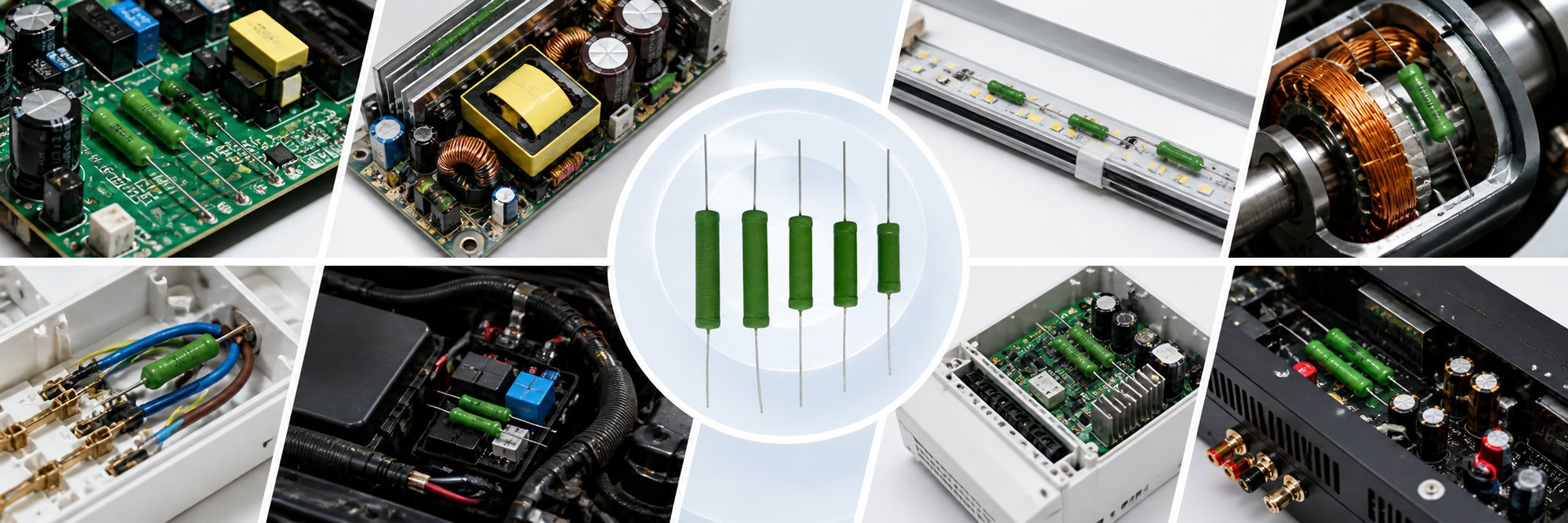
Compare Fusible Resistor Models
Side-by-side specs for every model in this family — power range, resistance range, tolerance, operating temperature and key applications.
| Specification | Custom Resistancemetal film Resistor | Custom Resistanceoxide-film Resistor | Custom ResistanceFuse Resistor | Custom ResistanceFuse Resistor |
|---|---|---|---|---|
| Product Name | Fuse Resistor / Cartridge Fuse | Fuse Resistor / Cartridge Fuse | Fuse Resistor / Cartridge Fuse | Fuse Resistor / Cartridge Fuse |
| Power Range | — | — | — | — |
| Tolerance | — | — | — | — |
| color-code | — | — | — | — |
| Form Factor | — | — | — | — |
| Operating Temperature | — | — | — | — |
| Packaging | — | — | — | — |
| Applicable Standards | — | — | — | — |
| Service Commitments | — | — | — | — |
| Typical Applications | SMPS / LED Drivers / Adapters / Appliance Control / Industrial Instruments | SMPS / LED Drivers / Adapters / Appliance Control / Industrial Instruments | SMPS / LED Drivers / Adapters / Appliance Control / Industrial Instruments | SMPS / LED Drivers / Adapters / Appliance Control / Industrial Instruments |
| Resistance Range | — | — | — | — |
| Current Range | 2A ~ 40A (2A / 3A / 4A / 5A / 7A / 10A / 15A / 20A / 30A / 40A — 10 ratings) | 2A ~ 40A (2A / 3A / 4A / 5A / 7A / 10A / 15A / 20A / 30A / 40A — 10 ratings) | 2A ~ 40A (2A / 3A / 4A / 5A / 7A / 10A / 15A / 20A / 30A / 40A — 10 ratings) | 2A ~ 40A (2A / 3A / 4A / 5A / 7A / 10A / 15A / 20A / 30A / 40A — 10 ratings) |
| Characteristic Type | 2F Fast-Acting / 2T Time-Delay | 2F Fast-Acting / 2T Time-Delay | 2F Fast-Acting / 2T Time-Delay | 2F Fast-Acting / 2T Time-Delay |
| Cap Material | Nickel (or tin) plated brass | Nickel (or tin) plated brass | Nickel (or tin) plated brass | Nickel (or tin) plated brass |
| body Material | Transparent glass tube / ceramic tube (by series) | Transparent glass tube / ceramic tube (by series) | Transparent glass tube / ceramic tube (by series) | Transparent glass tube / ceramic tube (by series) |
| Lead Wire | tin-plated copper lead wire | tin-plated copper lead wire | tin-plated copper lead wire | tin-plated copper lead wire |
| Fusing Element | Alloy | Alloy | Alloy | Alloy |
| Coating | Epoxy resin | Epoxy resin | Epoxy resin | Epoxy resin |
| body Size | Φ2.7 × 7.3 mm (tolerance ±0.3 / ±1.0) | Φ2.7 × 7.3 mm (tolerance ±0.3 / ±1.0) | Φ2.7 × 7.3 mm (tolerance ±0.3 / ±1.0) | Φ2.7 × 7.3 mm (tolerance ±0.3 / ±1.0) |
| Lead Specs | L 27 mm × Φ0.6 mm (tolerance ±2.0) | L 27 mm × Φ0.6 mm (tolerance ±2.0) | L 27 mm × Φ0.6 mm (tolerance ±2.0) | L 27 mm × Φ0.6 mm (tolerance ±2.0) |
| Pin Strength | Pull 10N · Push 2N · Bend 90° + 5N (1 minute) | Pull 10N · Push 2N · Bend 90° + 5N (1 minute) | Pull 10N · Push 2N · Bend 90° + 5N (1 minute) | Pull 10N · Push 2N · Bend 90° + 5N (1 minute) |
| View details | View details | View details | View details | View details |
Frequently asked questions
How does a fusible resistor differ from a normal resistor plus separate fuse?
What time-current characteristics do your fuse resistors have?
How well do fuse resistors withstand surge currents during normal operation?
Are fuse resistors recoverable, or one-shot devices?
What package and resistance range do your fuse resistors come in?
Sample Request
Standard samples are provided free of charge in reasonable quantities (shipped within 2–3 business days). Custom samples are delivered within 2–4 weeks. Please use the form on the right to tell us:
- Company and contact details
- Target part number or key specs (power / resistance / package)
- Application scenario and estimated annual volume
- Shipping address and expected delivery date